.png)


The trip laid bare the impact of DelAgua's clean cooking programme and the scope of political climate ambition
Last week, I travelled to Sierra Leone with colleagues Stewart and Sima, hosted by DelAgua, our largest customer and one of the most committed clean cooking project developers operating in Sub-Saharan Africa.
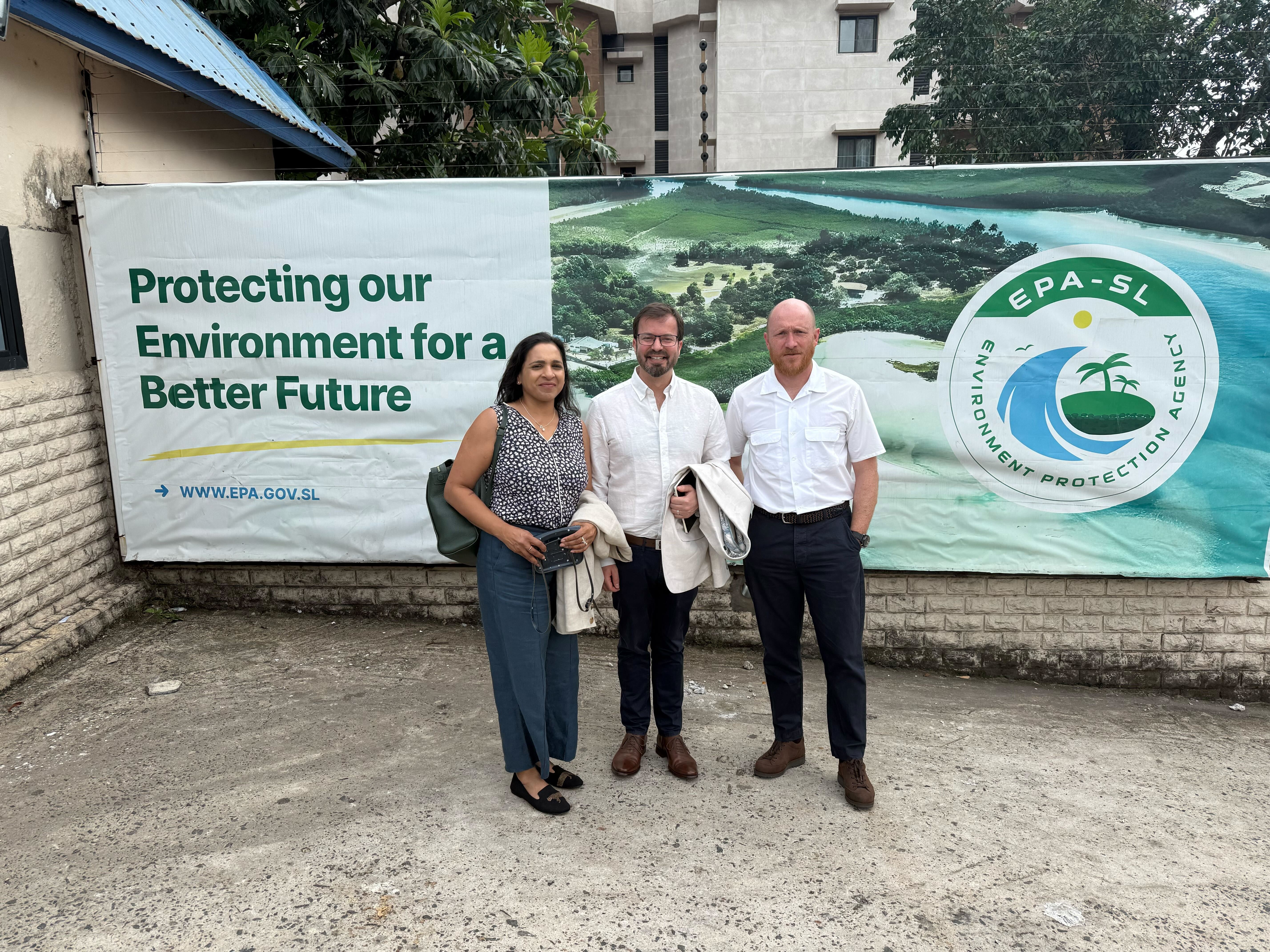
The trip had two objectives. First, to get under the skin of DelAgua's cookstove programme: the financing challenges, the distribution realities, and critically, the community impact on the ground. Second, to meet with Sierra Leone's government, including Deputy Minister of Finance Mrs. Kadiatu Allie and the Environmental Protection Agency (EPA)’s Directorate of Climate Change, to understand how political risk insurance can unlock capital in markets that are typically very hard to reach.
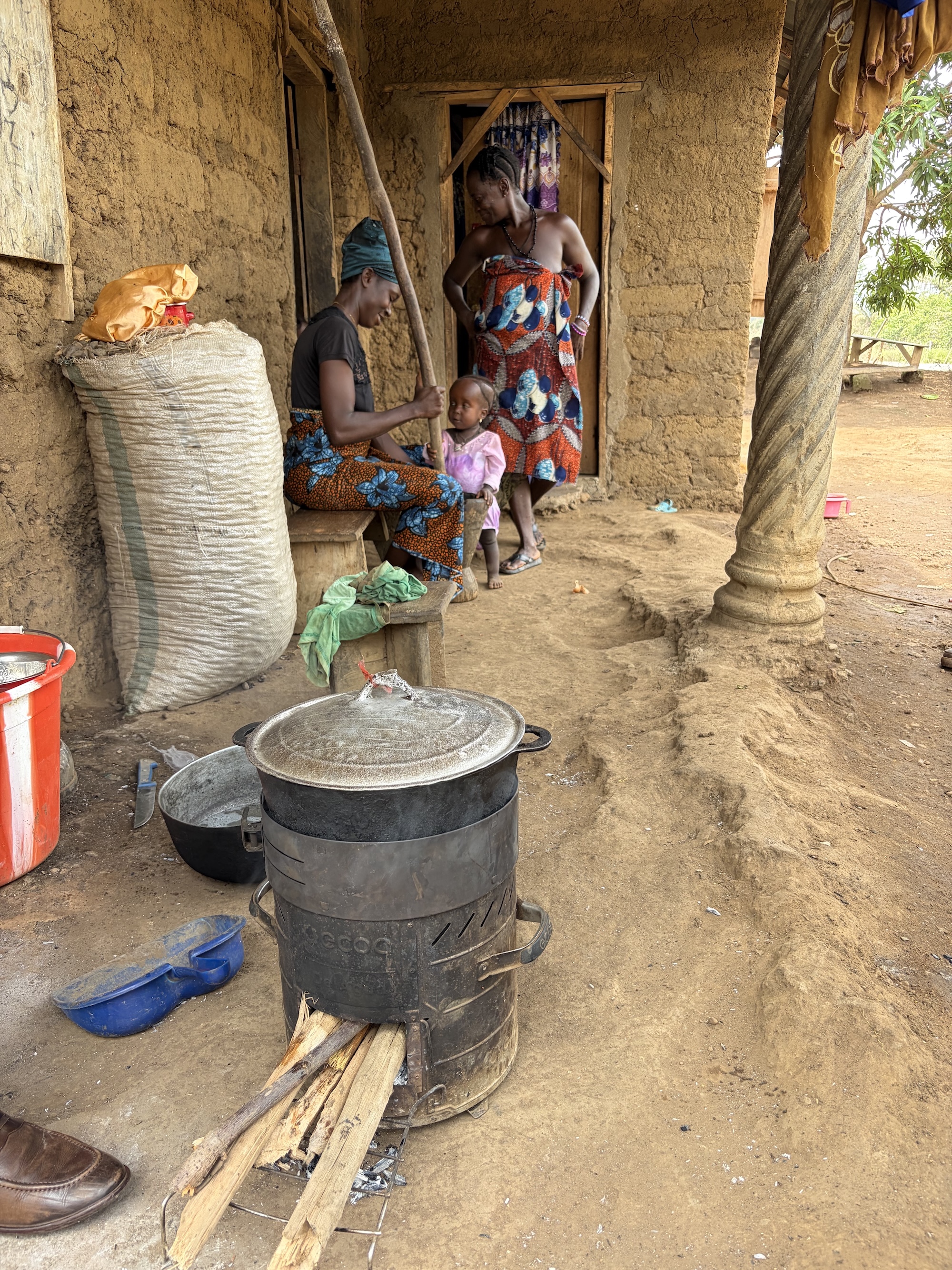
What we saw on the ground was humbling. Communities with very little - a water well, a small plot of land - enduring intense heat and humidity across Sierra Leone's 16 districts. Women spending entire days sourcing and chopping wood to cook on open fires. But speak to the families who have received cookstoves, and the evident impact is immediate and profound.
There’s the time returned to mothers who can now take on income-generating work (one woman spoke about the soap-making business she has been able to build since receiving her stove). Or children no longer pulled away from school to help source firewood, their mothers able to spend that recovered time supporting their education.
And then there are the implications you may not anticipate. Sierra Leone has a large Muslim population. During Ramadan, families were waking at midnight to light fires so food could be ready before sunrise. With a cookstove requiring only a fraction of the wood, that hardship disappears entirely.
These feel like incidental changes from the outside. For the families benefitting, they are transformative.
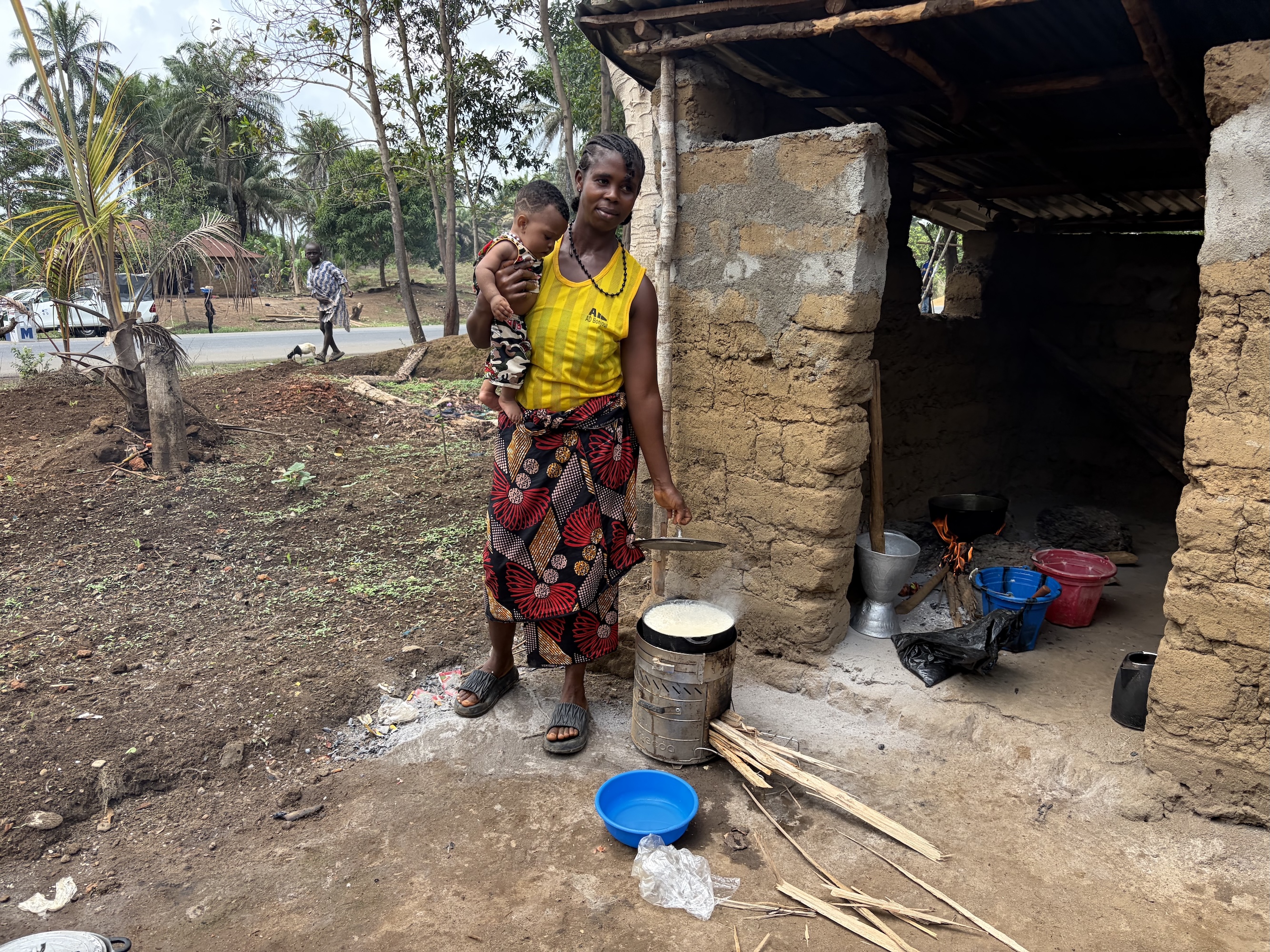
This is community uplift in practice. Not in a report, but in conversation, in people's homes, in the everyday texture of their lives: easily lost in the detail of UNFCCC reporting and risk analysis .
Alongside their critical climate benefits, these programmes have a real and enduring impact on peoples’ lives that can be difficult to articulate.
Our ministerial meetings told a different but equally as important story.Sierra Leone is doing serious work. Its climate finance unit may be new, but the commitment is clear. For every carbon credit sold, $5 goes directly into government coffers, generating $2–3 million annually for the national budget. Deputy Minister Allie and her team see the value these projects are generating, and its potential to grow significantly.
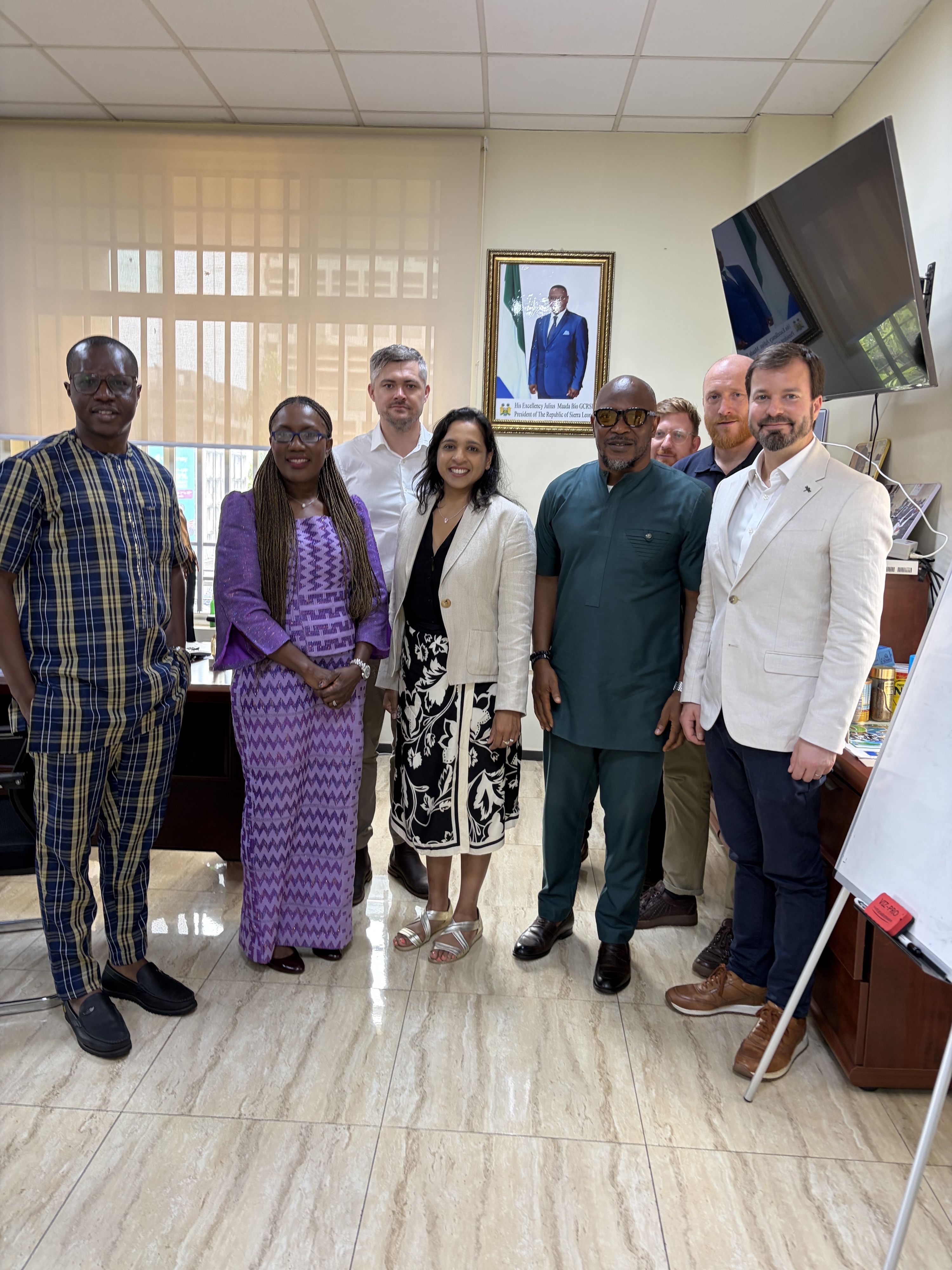
The EPA, led by Director Tamba and his colleague Henry, who has been instrumental in working alongside DelAgua, is preparing Sierra Leone's first Biennial Transparency Report (BTR), working with UK consultants Ricardo to build out the national emissions inventory. Seeking ownership of the process, rather than dependency on external consultants, they want to bring that capability in-house over time. That ambition matters.
The BTR is the signal that markets are watching. It is the foundation on which carbon credit confidence, and by extension, project finance, is built. By insuring these projects against political risk, Oka bridges exactly that gap: between credit issuance today and the transparency infrastructure that takes time to build.
The honest takeaway? Doing business in Sierra Leone is hard. Daily power outages and significant infrastructure gaps are a fact of life, and the government carries the weight of its climate commitments alongside the pressing challenge of lifting communities out of poverty and generating economic growth.
The demands on these institutions are enormous, and coordinating across ministries, regulators, and international frameworks is deeply complex. But what struck me most, across every meeting and every community visit, was the commitment: from DelAgua's team in the field, to the regulators, to the ministry.
A huge thank you to the DelAgua team for the time, access and generosity they showed us throughout.